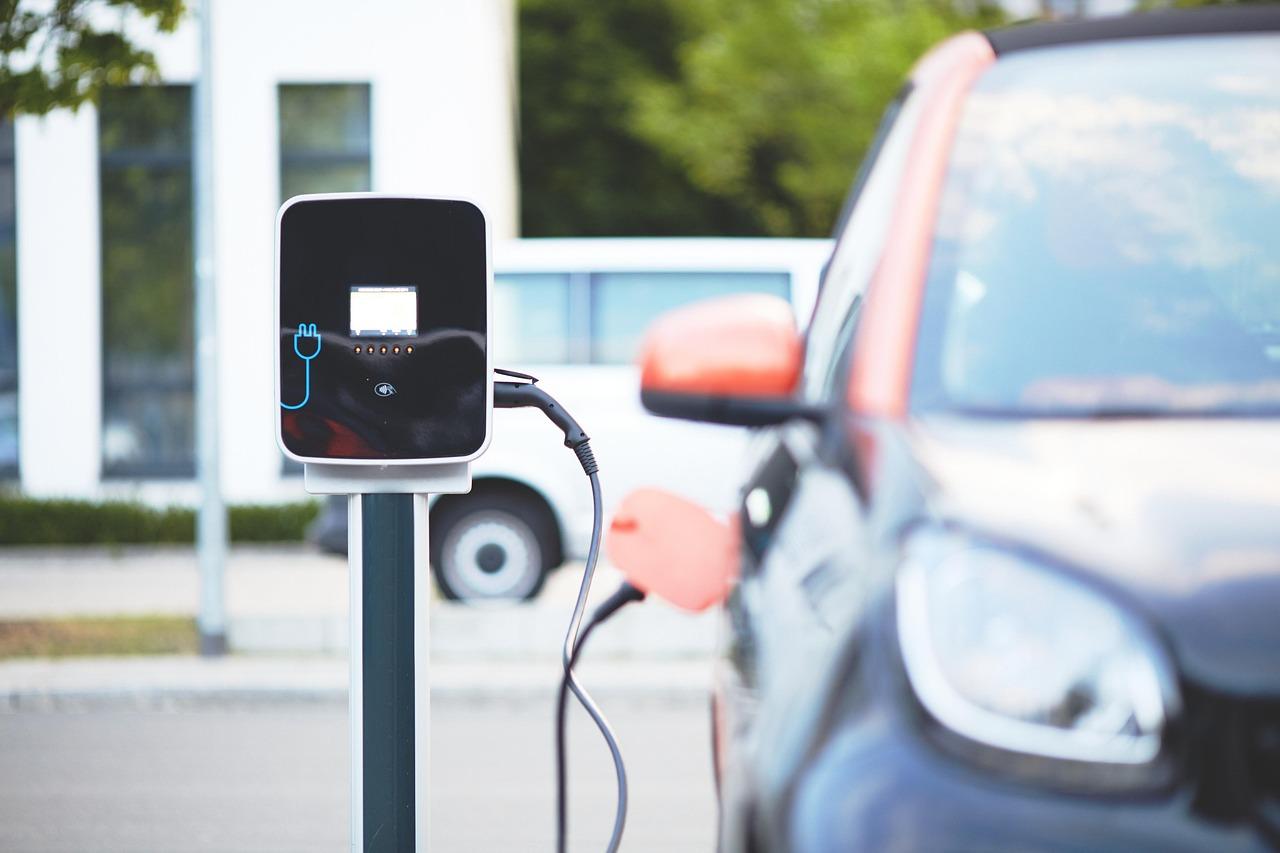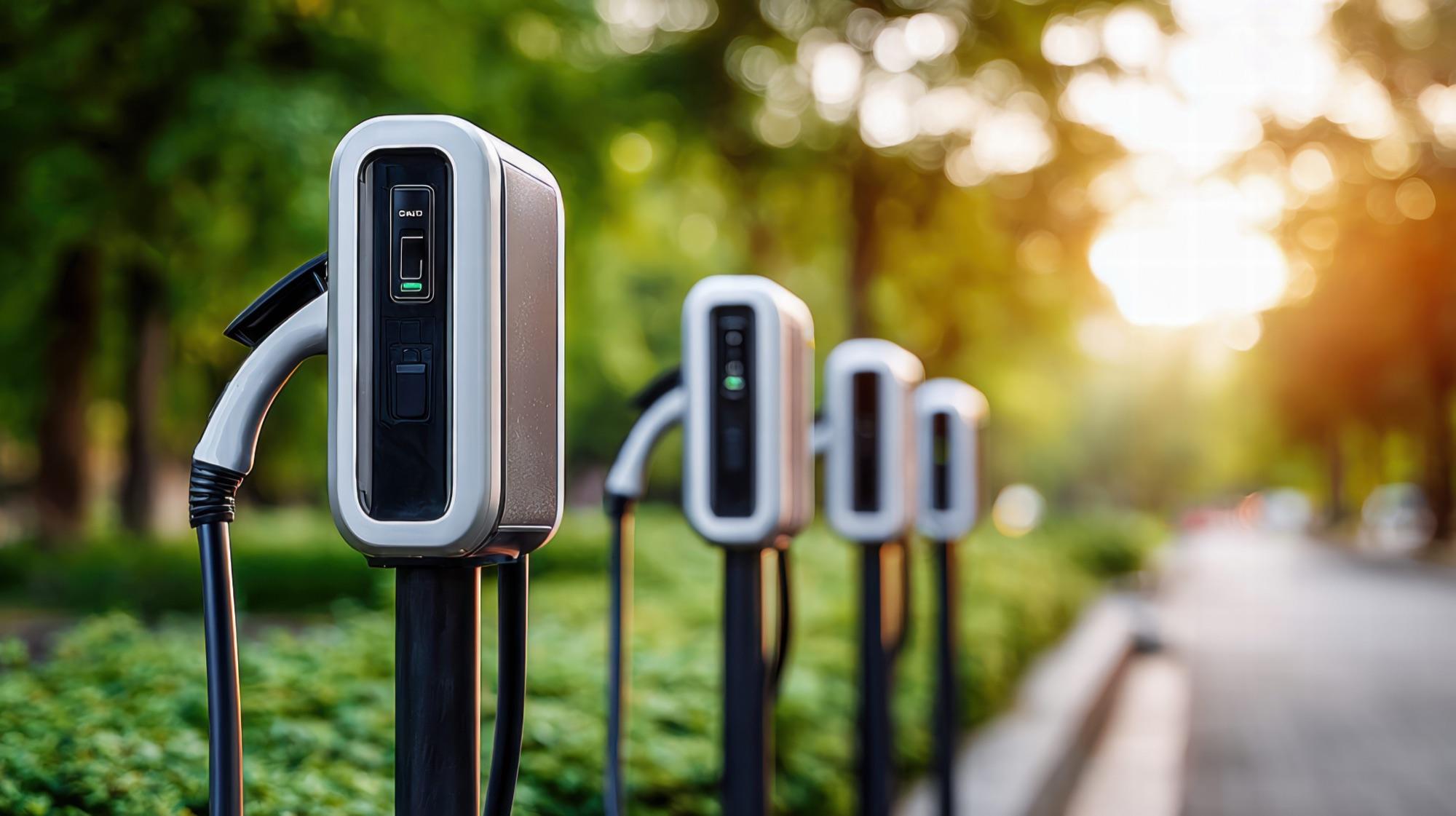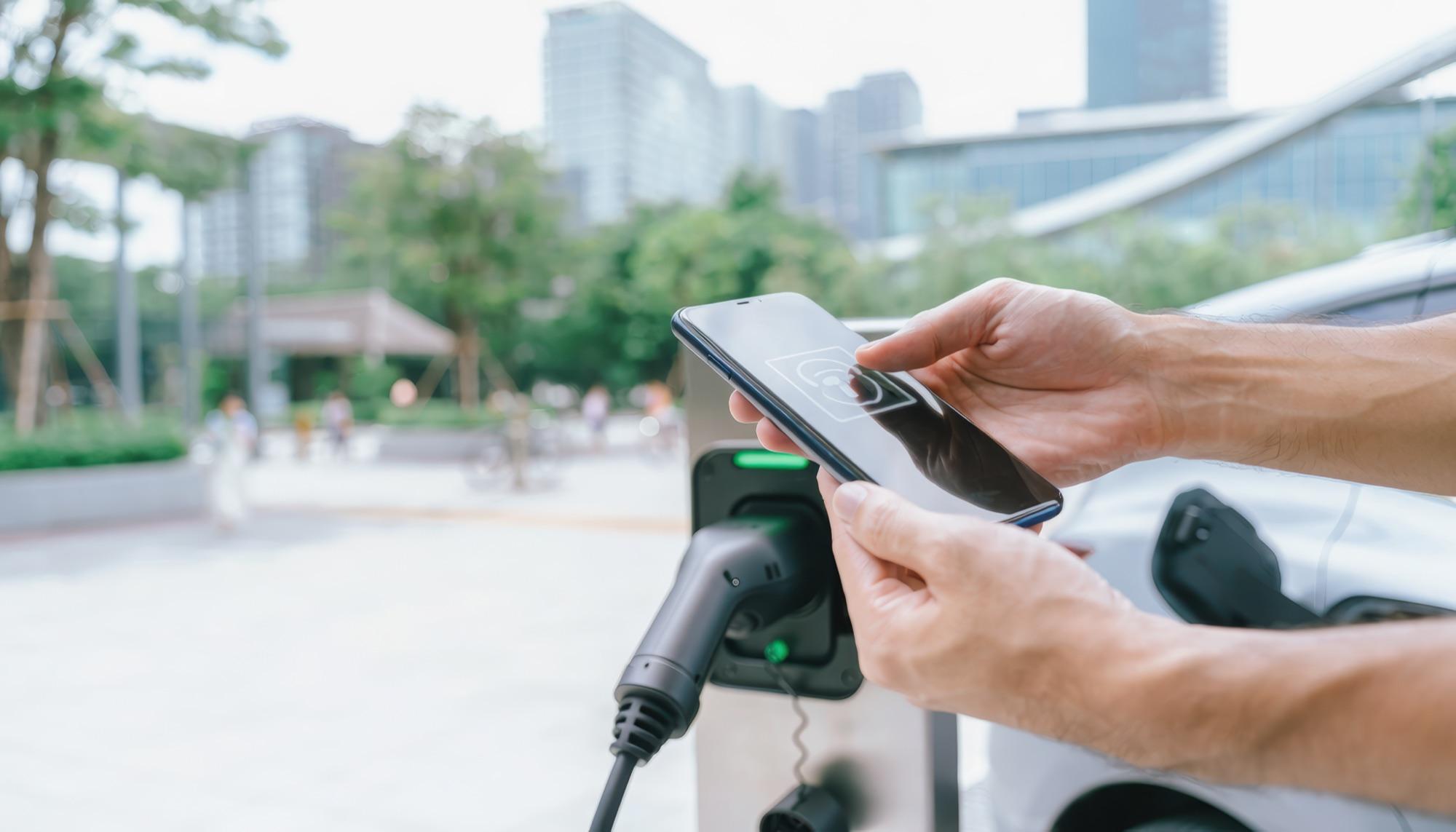
Gestisci la connettività tra caricatori per veicoli elettrici, terminali di pagamento e sistemi di gestione dell'energia da un'unica piattaforma progettata per le moderne reti di ricarica.

Una SIM
Oltre 180 paesi · fallback su più reti
Qualsiasi formato
2FF, 3FF, 4FF, MFF2, eSIM (eUICC)
Qualsiasi protocollo
OCPP 1.6 · OCPP 2.0.1 · MQTT · TLS
Qualsiasi scala
Nessun importo minimo mensile per SIM
Ogni caricatore è diverso. Il consumo di dati dipende dal tipo di caricatore, dai terminali di pagamento, dagli aggiornamenti del firmware, dalle comunicazioni OCPP, dalla diagnostica remota e dalla frequenza con cui il caricatore invia i dati alla piattaforma di gestione. Gli esempi riportati di seguito forniscono un punto di partenza generale per la pianificazione delle installazioni di ricarica dei veicoli elettrici.

Questi intervalli sono tipici delle installazioni europee e nordamericane che Simbase osserva in ambiente di produzione. L'utilizzo effettivo dipende dall'implementazione dell'OCPP, dalla frequenza di trasmissione dei dati telemetrici e dalle funzionalità incluse nel caricatore (schermo, telecamera, pagamento, DCS). Si consiglia di verificare questi dati confrontandoli con i propri dati telemetrici prima di scegliere un piano.
I caricabatterie per veicoli elettrici scaricano regolarmente firmware, patch di sicurezza e aggiornamenti software che possono superare rapidamente i limiti previsti dai piani pensati per dispositivi IoT a bassa larghezza di banda. La connettività dovrebbe supportare l'intero ciclo di vita operativo del caricabatterie, non solo la telemetria di routine.
Le stazioni di ricarica dipendono da una connettività affidabile per le comunicazioni OCPP, l'elaborazione dei pagamenti e la gestione remota. La connettività multi-rete contribuisce a garantire la continuità del servizio quando la copertura varia a seconda degli operatori o quando cambiano le condizioni di rete.
Quando un caricatore smette di funzionare, gli operatori devono stabilire rapidamente se il problema sia da attribuire alla rete, alla SIM, al caricatore o all'applicazione. La diagnostica centralizzata e l'accesso alle API contribuiscono a ridurre i tempi di inattività, garantendo una visibilità in tempo reale sull'intera rete di ricarica.

Deploy chargers across regions with one SIM strategy. Multi-network connectivity helps maintain reliable connections for charging sessions, remote management, and payment processing as your network grows.

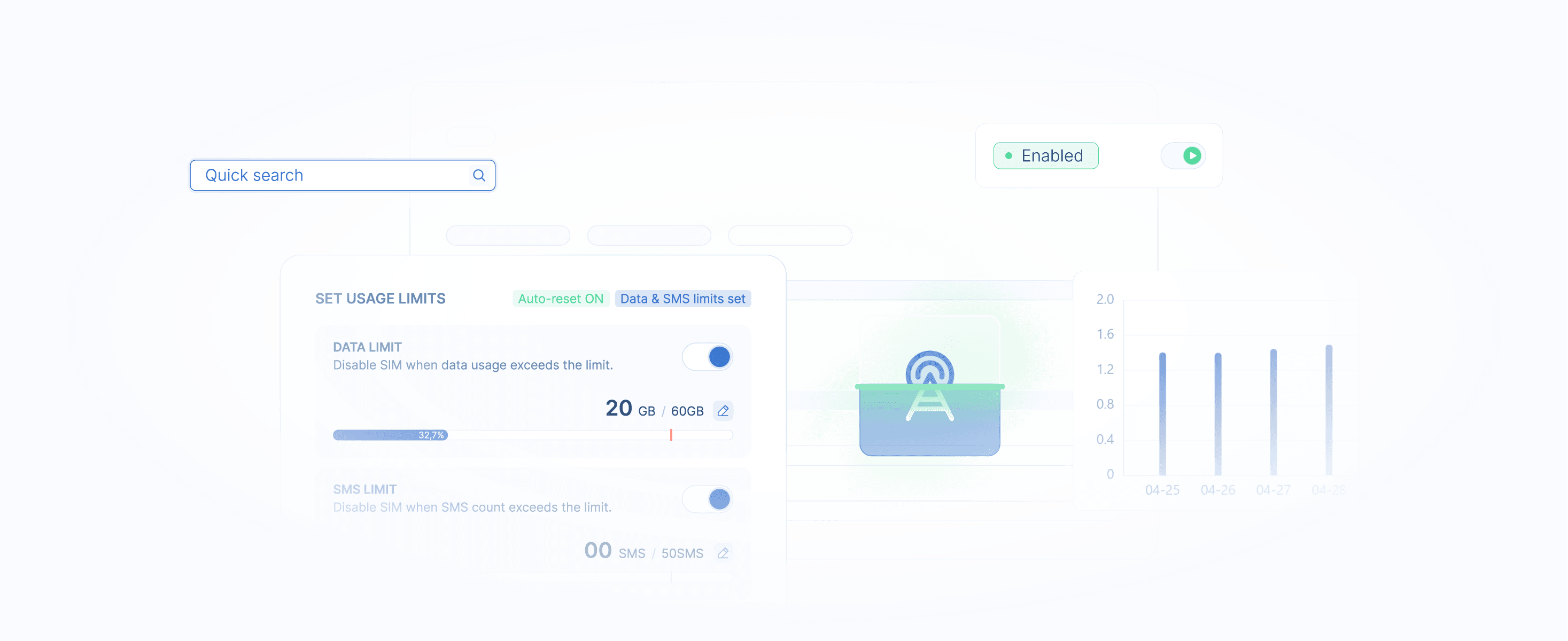
Monitor connectivity across every charging location, track data usage, and quickly identify whether an issue is related to the network, SIM, or charger before dispatching a technician.

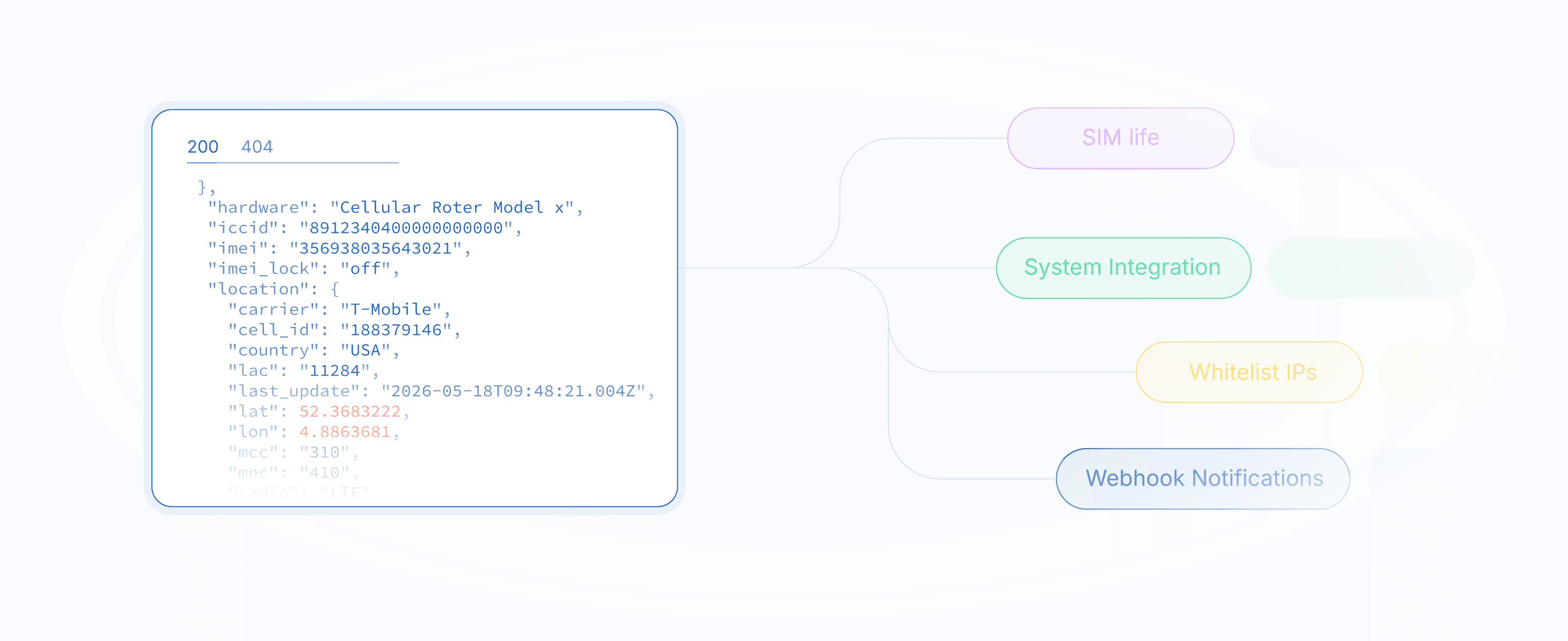
Integrate Simbase with your CPMS and operational systems using APIs and webhooks to automate provisioning, monitor charger connectivity, and streamline network management.

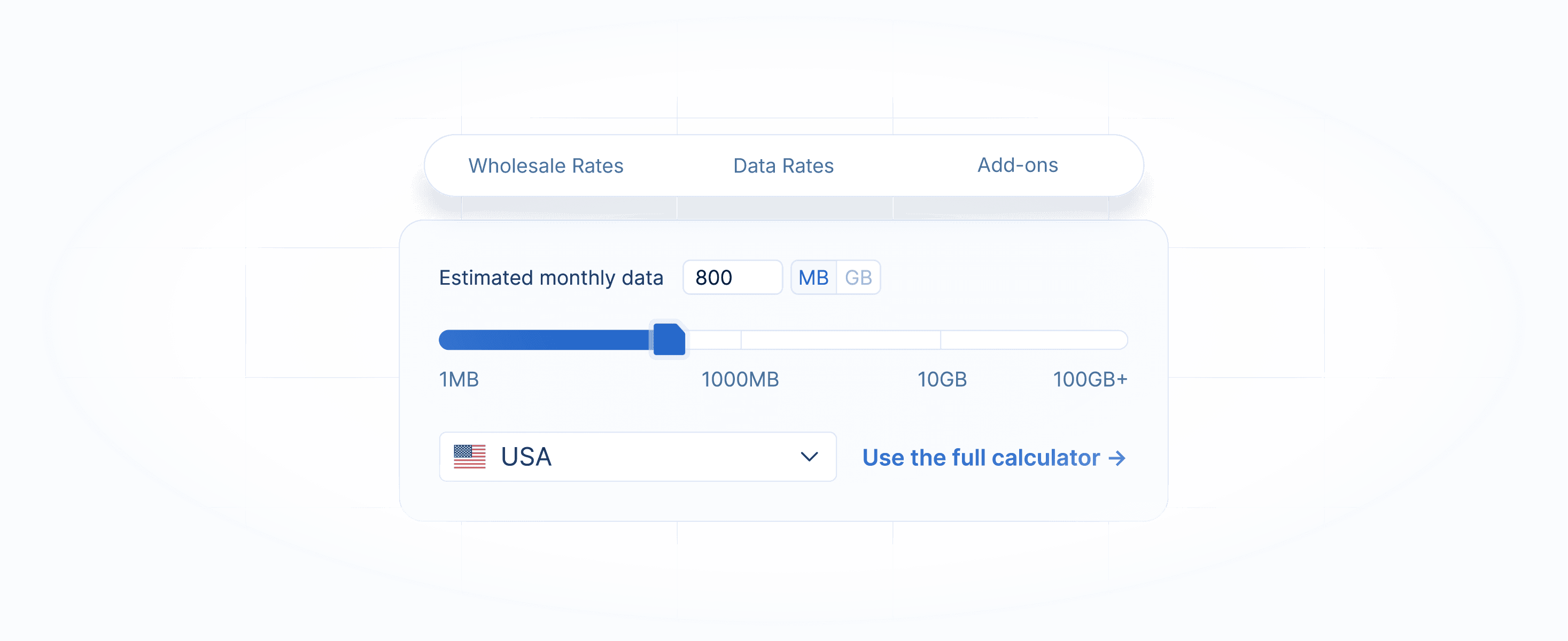
Whether you're deploying ten chargers or ten thousand, transparent pricing and flexible plans make it easy to scale without long-term contracts or unnecessary complexity.

Valutazioni relative al 2026, basate sui piani resi pubblici e sui riscontri ricevuti dai potenziali clienti in comune. Pubblicate a fini di trasparenza, non per denigrare.
EVSE / charger OEMIntegrate a Simbase SIM or eSIM into your charger design and simplify global deployments with one connectivity strategy.
Charge point operatorMonitor every charger's connectivity in real time and quickly identify network issues before they impact drivers. Multi-network connectivity helps keep charging stations online.
CPMS / eMobility platformOffer managed connectivity through a single API integration and simplify SIM management across every deployment.
Fleet / depot chargingConnect chargers across depots, warehouses, and fleet yards with resilient cellular connectivity. Reduce reliance on local networks and simplify deployments across every site.
Se avete ancora domande senza risposta, contattate il nostro team: saremo lieti di fornirvi le risposte che cercate.
The right SIM depends on your hardware design and deployment requirements. Plastic SIMs (2FF, 3FF, or 4FF) are commonly used for serviceable installations, while MFF2 and eSIM solutions are designed for embedded applications that require greater durability in demanding outdoor environments. Simbase supports all major SIM form factors to fit your deployment.
Not always. Many EV charging deployments operate successfully using standard cellular connectivity. However, organizations with enhanced security, network segmentation, or compliance requirements may benefit from a Private APN. Simbase offers Private APN options for deployments that require additional control over network traffic.
Permanent roaming is when a SIM registered in one country stays connected to a foreign network indefinitely. Some EU regulators and MNOs restrict this — a SIM provisioned in, say, the Netherlands could be disconnected after 90 days on a German network. Multi-IMSI SIMs avoid this entirely: they carry a local profile for each deployment country, so the charger registers as a domestic device, not a roamer. Simbase SIMs use local IMSI profiles in key markets to eliminate permanent roaming risk.
Simbase supports a wide range of EV chargers that use cellular connectivity, including models with physical SIMs and eSIM technology. Whether you're deploying AC chargers, DC fast chargers, or high-power charging infrastructure, Simbase provides flexible connectivity that integrates with your existing hardware and charging platform.
Data usage varies depending on charger type, OCPP communications, payment processing, remote diagnostics, and firmware updates. Basic AC chargers often use relatively little data, while DC fast chargers and high-power chargers may require significantly more. Simbase helps you choose connectivity plans that match the real-world demands of your deployment.
Yes. Simbase supports global deployments with Multi-IMSI SIMs and eSIM technology, allowing you to simplify international rollouts with a single connectivity strategy. Instead of sourcing different SIMs and carrier agreements for each country, you can deploy the same solution across multiple regions while managing connectivity from one centralized platform.
A single OTA update can be 50–500 MB depending on whether it's a delta patch or a full-image push. Most chargers receive 2–4 updates per year from some combination of OEM firmware, CPMS agent, payment terminal software, and modem firmware. On a capped plan like 1NCE (500 MB / 10 years), one firmware event can consume years of data allowance. Simbase pools data across your fleet, so OTA spikes are absorbed by headroom elsewhere — no overage surprises.